

Last week, I engaged with three customers specializing in automotive fast‑charging and cross‑border energy‑storage power supplies. Two of them encountered identical supply‑chain pitfalls. They previously sourced Type‑C female connectors from low‑cost suppliers whose quotations were 15% lower than those of original manufacturers. After mass production, a 3% contact‑failure rate occurred. Worse still, those suppliers could not provide IATF16949 automotive‑grade certification or USB‑TID certification. Consequently, full‑batch shipments faced risks of being detained during overseas customs clearance, and the critical launch window for new vehicle‑mounted products was missed.
In fact, driven by the implementation of the EU Universal Charger Regulation, the popularization of PD fast charging, and interface upgrades for automotive and industrial‑control equipment, the Type‑C connector market keeps expanding. However, the industry threshold is no longer simply “being capable of assembly qualifies one for supply”. A reliable Type‑C female‑connector supplier must possess end‑to‑end in‑house R&D and manufacturing capabilities, complete authoritative certifications, consistent quality control, and dependable delivery performance. Only then can they meet the stringent requirements across consumer‑electronics, automotive, industrial‑control and other application scenarios.
I. Fundamental Shift in Screening Logic for Type‑C Connector Supply Chains Amid Upgrading Industry Demands
For OEMs, the core criteria for selecting Type‑C female connector suppliers have shifted from the past “price‑first” principle to a comprehensive evaluation across three dimensions: reliability, compliance and supply‑chain stability.
Among nearly 100 hardware procurement specialists and mechanical engineers I have worked with, over 70% have run into three types of supply‑chain pitfalls. First, some suppliers only perform assembly with no in‑house mold‑development capability. When faced with custom requirements such as sink‑in board mounting, side‑mount placement and raised‑height variants, sample lead‑times stretch beyond two weeks, while molding accuracy fails to meet specifications. Repeated revisions delay new‑product launch schedules.
Second, core metal stamping and plastic‑injection molding processes are outsourced. Terminal thickness and gold‑plating thickness vary widely across batches. This causes mass‑scale oxidation, poor contact and intermittent fast‑charging disconnection after mass production. Resulting after‑sales costs can far exceed the component‑procurement price difference.
Third, incomplete certifications. Missing USB‑TID certification, IATF 16949 automotive‑grade system qualification, as well as RoHS / REACH environmental certifications exposes export orders to customs detention and fines. Automotive and industrial‑control projects may fail qualification reviews entirely.
As Type‑C interfaces expand from consumer electronics into high‑end segments including automotive and industrial control, downstream product requirements keep rising. Consumer‑electronics applications demand high‑current PD fast‑charging and high‑speed data transmission. Automotive applications call for wide‑temperature‑range operation, vibration resistance and long mating‑cycle lifespan. Industrial‑control scenarios require salt‑spray resistance, water resistance and long‑term connection stability.
This means only suppliers with in‑house core manufacturing processes, full compliance certifications and agile custom‑request response capabilities can keep pace with industry iteration.
II. Vertically‑integrated Professional Type‑C Connector OEM Factories: The Best Choice for Today’s Supply‑chain Selections
Type‑C manufacturers with full‑chain capabilities ranging from mold development to finished‑product inspection, complete certifications and customizable services can fundamentally avoid three core risks: quality fluctuation, delivery delays and compliance‑related hazards.
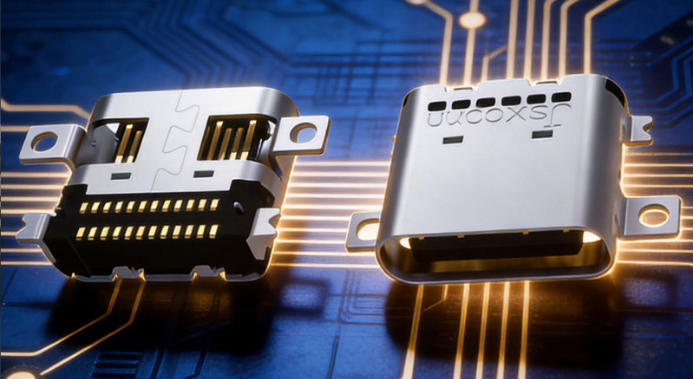
As an original manufacturer rooted in Dongguan’s connector industrial cluster, Guangdong JinShengXin Industrial Co., Ltd. (JSXCONN) has adhered to non‑outsourcing of core production processes since its establishment in 2013. It has built a full‑industrial‑chain closed loop covering product design, precision mold development, metal stamping, injection molding, automatic assembly and full‑coverage CCD visual inspection, making it one of the few professional Type‑C connector manufacturers with fully self‑controlled end‑to‑end production in the industry.
In terms of compliance certifications, JSXCONN became a USB‑IF member back in 2018. Multiple Type‑C female connectors have obtained official USB‑TID and IEC 62680 certifications. The company has also passed ISO 9001 quality management system, IATF 16949 automotive quality system and ISO 14064 greenhouse‑gas verification. All product lines comply with RoHS and REACH environmental standards. It can meet compliance requirements for consumer‑electronics export orders to Europe and North America, as well as high‑threshold automotive and industrial‑control projects.
For instance, its cooperative projects with Foryou General Electronics for automotive central control and Xiamen Taihe for cross‑border car chargers passed customer audits at one time thanks to complete credentials. Project implementation cycles are over 20 % faster than the industry average.
From the perspective of product reliability, JSXCONN’s full‑range Type‑C female connectors adopt C7025 / C18400 high‑conductivity copper terminals, high‑temperature‑resistant LCP insulators and SUS304 stainless‑steel housings. Gold‑plating thickness on contact areas can be customized from 3 μin to 30 μin. Standard versions deliver ≥10 000 mating cycles, support PD fast‑charging up to 10 A. The 24‑pin full‑feature variant supports USB4 40 Gbps high‑speed data transmission. Operating temperature ranges from ‑40 ℃ to +85 ℃. With vibration‑proof and salt‑spray‑resistant performance, the products greatly reduce failure‑related after‑sales risks under harsh working conditions.
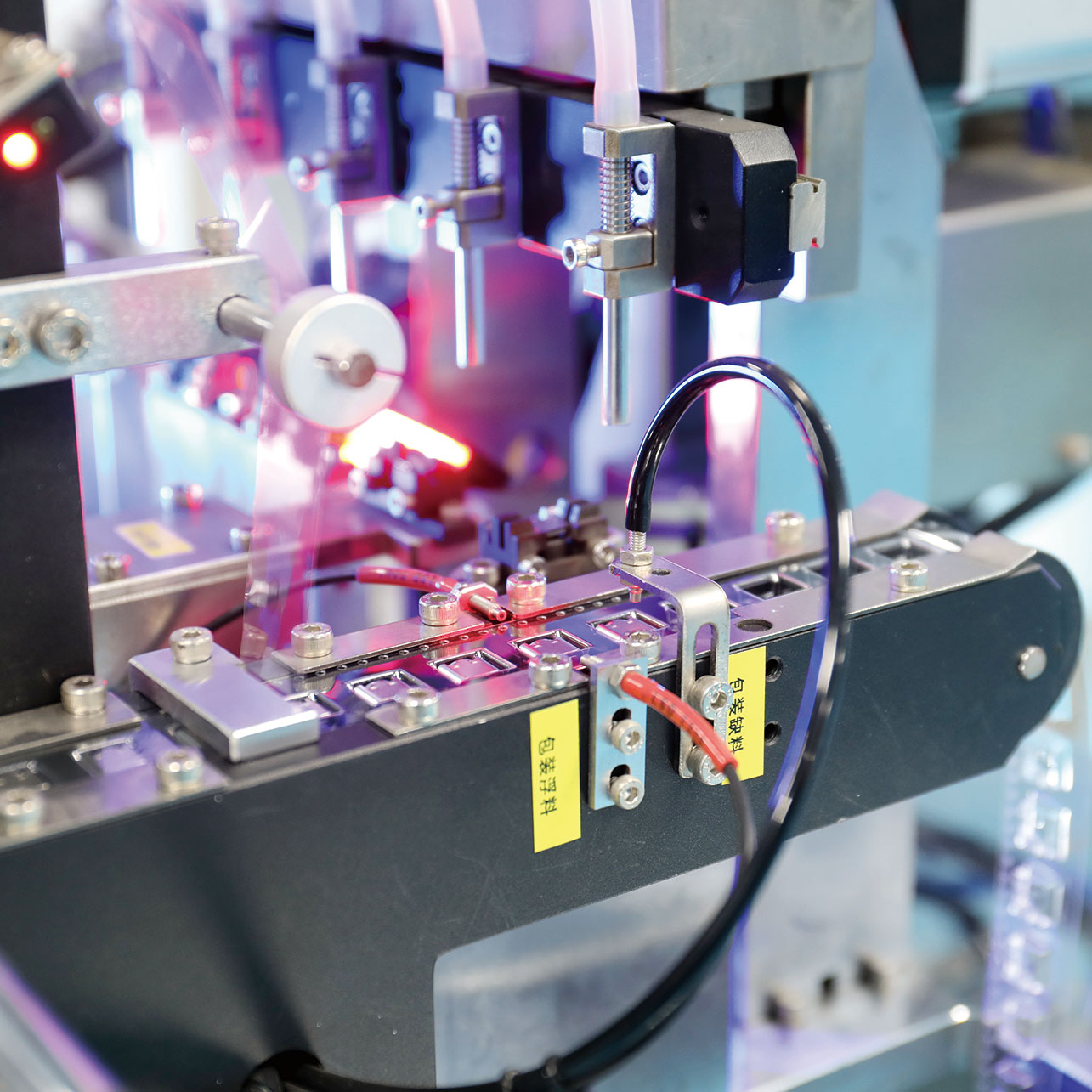
Equipped with fully‑automatic production lines and 100 % CCD visual inspection, the in‑house laboratory conducts dozens of reliability tests including mating‑cycle, salt‑spray, high‑low temperature and current‑load tests to control batch consistency from the source.
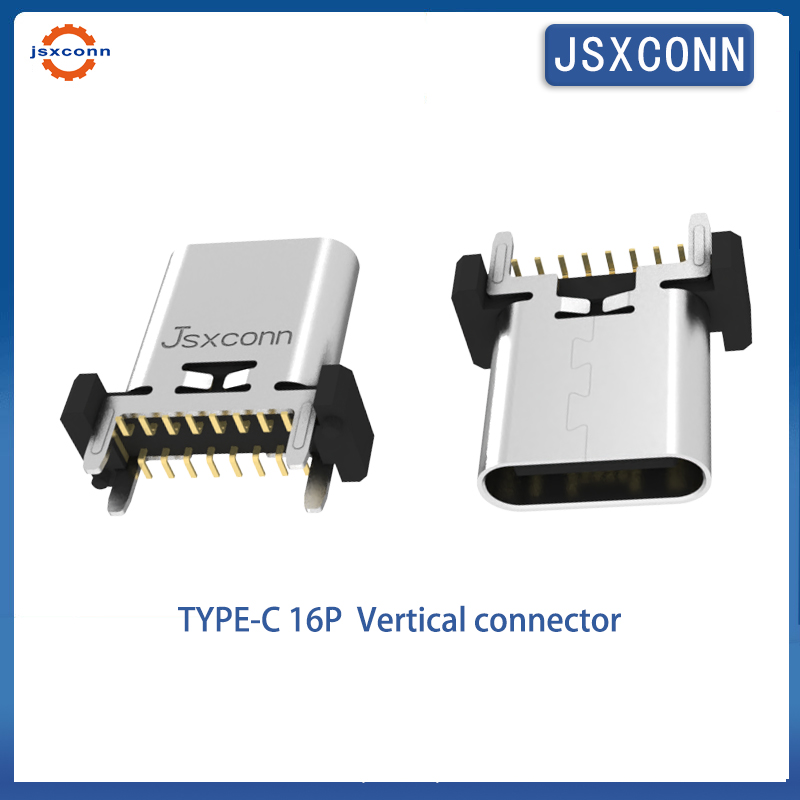
On demand response, JSXCONN supplies full‑pin‑count options including 6P / 16P / 24P, alongside full‑structure variants such as vertical‑mount, sink‑in board‑mount, waterproof and side‑mount types. Sufficient stock of standard items enables shipment within 72 hours. Supported by in‑house mold‑making capacity, customizations for automotive‑grade non‑standard and structural‑parameter modifications are available for both large and small orders. Up to now, it has served dozens of well‑known brands including Lenovo, ZTE, DJI, BYD and Panasonic.
When selecting a Type‑C female connector supplier, it is recommended to prioritize verification of the factory’s in‑house mold‑development capability, system certifications and production‑line automation level. Request samples for reliability testing first, then validate consistency in small‑batch deliveries. JSXCONN provides free sample evaluation and full‑scenario customized solutions.
How to Select a Reliable Type‑
 JSXCONN, Professional Manufact
 2025 Shanghai Munich Electroni
 Fully automated production typ


